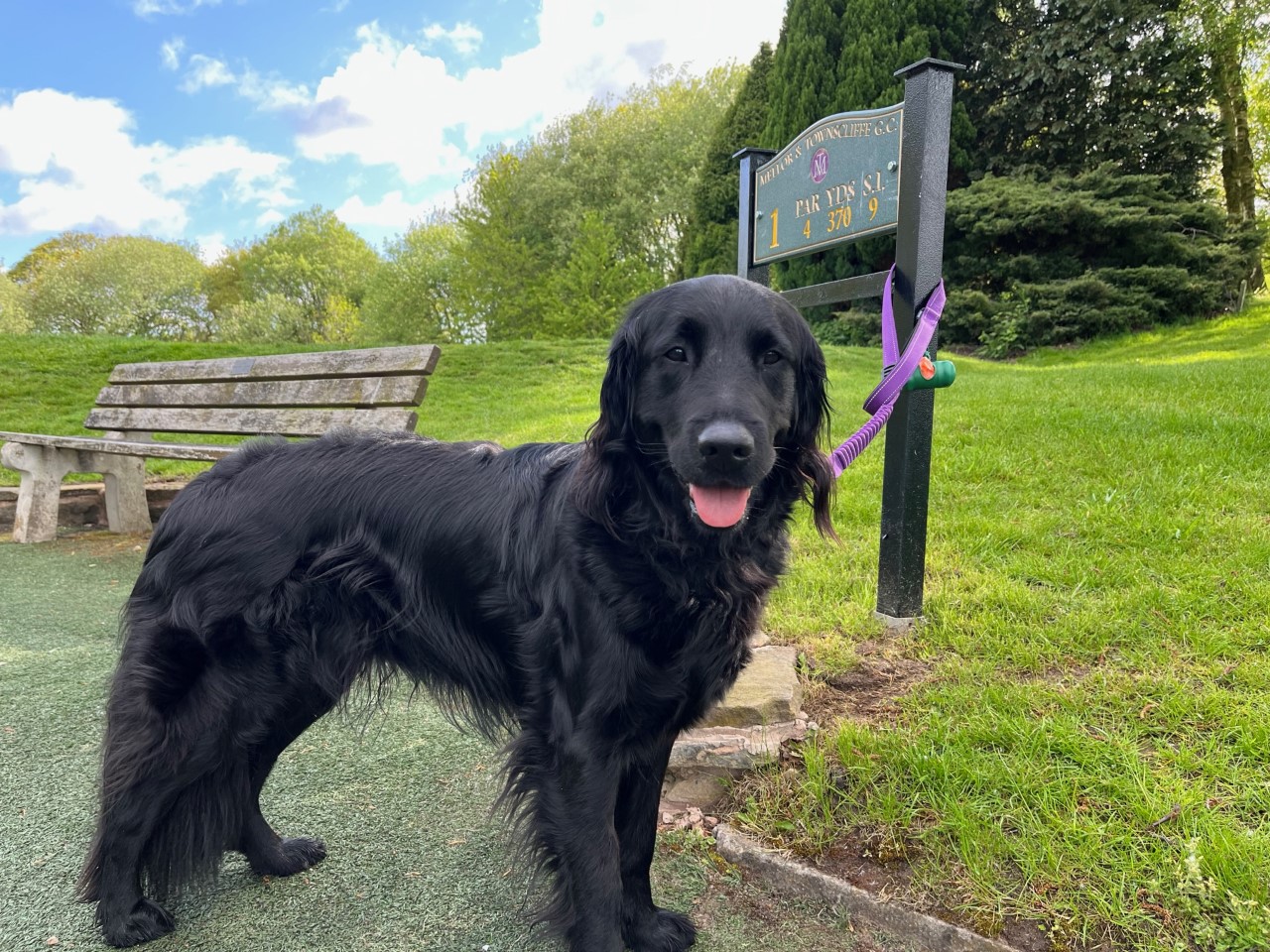
No, this isn’t Peter Kay’s latest comedy juxtaposition, following the success of ‘garlic bread’. In our quest to unearth the most fascinating stories from the golfing world, Sunday Slicers caught wind that golf has been played in the most unlikely of places… so we had to find out more!
Antarctica is, as you may well imagine, a vast, bleak and ‘pretty chilly’ landscape, not ideally suited for manicured fairways and greens. Indeed, it’s a continent without any countries, 40% larger than Europe, comprised of ice over a mile thick, surrounding the South Pole. Sounds cold, right? Well nowhere on earth gets colder… -89.2 °C at it’s worst (128.6 °F). Saying that, it can reach a balmy 10 °C on the coast in summer!
There are no indigenous people, with the population made up of around 5,000 researchers (dropping to 1,000 in the winter), spread across 70 permanent bases owned by 30 different countries that together govern the island in a rare show of global harmony. So when did golf start being played, and how on earth does it work? Well, some speculate that Captain Scott, who led a party of 5 to be the first to reach the South Pole, in 1912, may have packed a club or two. There is certainly evidence that Scott was a member of Sheringham Golf Club in Norfolk – in the form of a letter from Sherlock Holmes author Arthur Conan Doyle – and some surmise that the crew would have needed activities to keep spirits up.

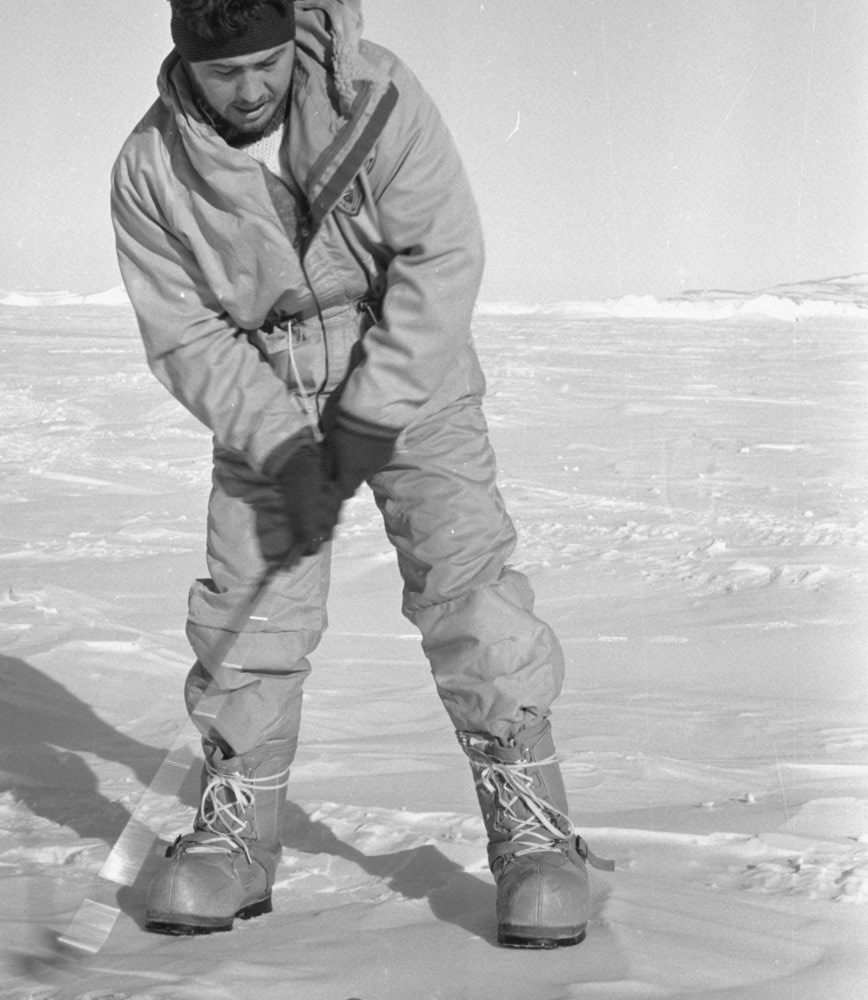
But to find out what’s known for sure, we tracked down renowned archaeologist and historian David Harrowfield – a man who’s visited Antarctica on 60 expeditions, and authored several books. David tells us that the first Antarctic golf club (becoming the most southerly in the world) was founded in 1961 by Kiwis on the Endeavour (200 passenger polar expedition ship), when the ‘Endeavour & McMurdo Sound Golf Club was formed – McMurdo being one of the large research stations. A silver beer mug was donated by a Sydney firm as a trophy, with the inaugural match played on the sea ice using painted balls. Alas, at least 2 of the balls were carried off by skuas; ‘piratical’ birds, known for theft, though usually of food from other birds.

Nevertheless, such recreational activities are vital for those stationed in Antarctica, following winter months where it’s dark 24 hours a day, so they persisted, and created the Scott Base Invitational Masters Classic Tournament. It was reported that some years, pressure ridges on the sea often interfered with ‘fairways’, and some of the ‘greens’ were said to have a 4 in 1 gradient! By 1986, things had progressed to more of a Ryder Cup format, with a team of Kiwis taking on ‘locals’, on an 8 hole, par 22 course. Hazards, besides losing one’s ball in the snow, included landing in a ‘mukluk’ hole (left by the wearers of the traditional reindeer leather boots). Four years later, and teams of 5 would face off, each including 2 women, with a champagne breakfast at the start. Caddies were employed to spot skuas, carry clubs (5 iron and putter), and to serve wine!

Keith Lyons, an award-winning travel writer, took part in a tournament on his visit in 1994/5, and tells us of the intense rivalries between US and New Zealand bases, and the importance placed of cultural familiarity in such testing conditions, with food from home highly coveted, and golf contests eagerly anticipated. Keith reflects that the sport lingers longingly in the memory of visitors to Antarctica, in part due to the lush green course in Christchurch being the last sight when flying south, and the first sight on their return. Rules were said to vary from time to time, but in 1992-3 at Scott Base Golf Club they were the following, offering a fascinating and amusing window into another world…
Rules of Golf (Antarctica)
1. 12” clean and place (fairways only)
2. One club’s length drop from petrified seal droppings
3. Melt pools are considered water hazards. Drop away for one shot penalty
4. Balls lost down seal or fish holes – two shot penalty (out of bounds)
5. Interference with ball from skua – replace ball, no penalty (if skua should remove your ball completely, drop a shot – your spotter should have been covering all angles)
6. Cover over divots if more than one mukluk deep
7. The ball will be considered holed if within one (1) body length from pin-heel to ball, head to pin
8. Pressure ridges and cracks are “out of bounds”. Penalty for tinkering with either – disqualification
9. Orcas, penguins and seals have right of way
10. Birdies can be claimed if you hit a skua
11. There are no eagles in Antarctica
12. If caught cheating, you must shout in the 9th at the completion of the game
13. You are not permitted to handle, remove, clean or replace other players’ balls, however you may kiss them prior to the game if you so desire
14. The use of artificial stimulants during play, whilst not compulsory, is strongly recommended
15. A general knowledge of the rules of the royal and ancient club of St Andrews is permitted. However, any player caught applying them shall be disqualified (it’s only the knowledge that’s permitted)
16. You must enjoy yourself completely
Photo Descriptions / Credits / Thanks
1. (main) Graham White – Scott Base primary instigator of golf. Taken by Keith Lyons. © Antarctica New Zealand Pictorial Collection
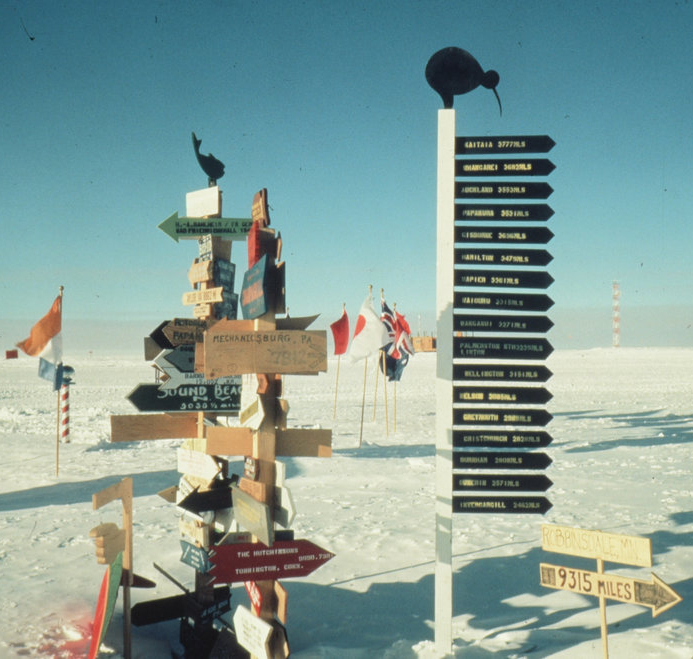
2. South Pole signage. Taken by Michael MacFarlane. © Antarctica New Zealand Pictorial Collection
3. Golfing in 1987 / 88. Photographer / Copyright unknown
4. Golf at ‘Haskell’. Taken by Mike Williams. © New Zealand Herald
5. David Harrowfield presenting Graham White with a collection of balls he had found whilst on recent expeditions. © David Harrowfield
6. Golf in action. Taken by Keith Lyons. © Antarctica New Zealand Pictorial Collection
With sincere thanks to Dr. David L. Harrowfield, who’s book The Tip of the Iceberg was published in 1995 by South Latitude Research, The Polar Room, Christchurch. It is sadly now out of print and only available second hand, and details golfing along with many other tales from his Antarctic adventures. Also to Keith Lyons for his fascinating personal insights of playing, and his high quality photos.
Thanks also to Canterbury Museum and Antarctica New Zealand, for the support in connecting us with such superb interviewees, and provision of image rights as above.
Have you played golf in a remarkable place? Got a great idea for our next story? Our inbox is poised… hello@sundayslicers.com